Table of Contents
Eco-friendly transportation is no longer just an option— it’s a necessity for sustainable cities. As urban populations expand, the demand for efficient and sustainable mobility solutions escalates. Sustainable transportation systems offer a roadmap for cities striving to reduce their environmental impact, promote public health, and cultivate inclusivity. They consider the interconnectivity of transportation with urban planning and energy systems, aiming to minimise carbon emissions and improve air quality while ensuring that all sections of society have access to clean, reliable, and affordable transport options.
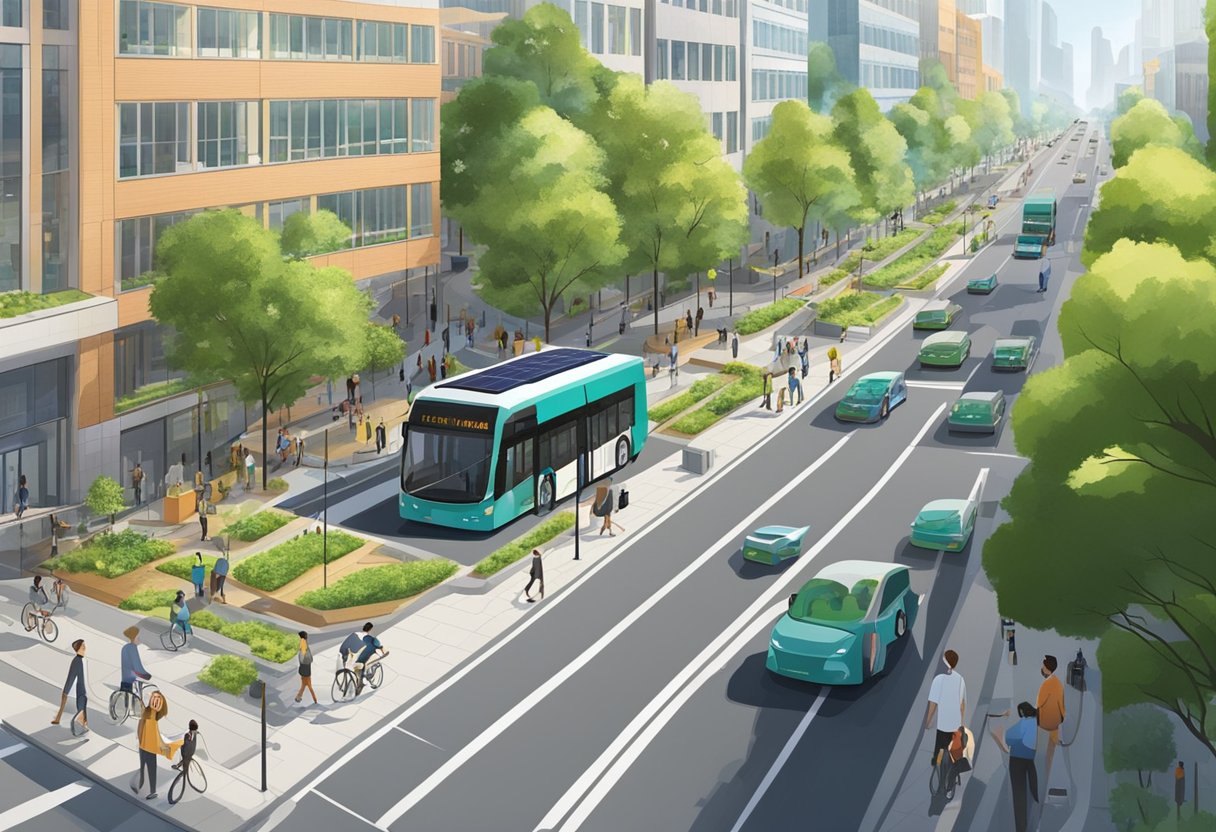
Advancements in technology and a shift in public consciousness are driving innovations in urban transport infrastructure. Cities are reimagining their landscapes by incorporating green transportation policies that support electric vehicles, prioritise pedestrian and cycling paths, and expand public transportation networks. These strategies aim to tackle the pressing issues of traffic congestion, reduce reliance on fossil fuels, and create equitable access to mobility. By focusing on active transport and smart city solutions, urban areas can foster sustainable economic growth that benefits both the planet and its inhabitants.
Rethinking Urban Transport Infrastructure
In envisioning the future of urban environments, you must prioritise sustainability and efficiency, ensuring transport infrastructure meets the needs of growing populations while minimising environmental impacts.
Expanding Sustainable Mobility Options
To reduce the reliance on fossil fuels, creating a robust network of sustainable transport options is crucial. By expanding cycle lanes and pedestrian paths, cities encourage healthy and environmentally friendly travel behaviours. This infrastructure should integrate seamlessly, guiding you towards sustainable mobility in every journey.
Incorporating Electric Cars and EVs
The shift towards electrification in transport is accelerating. Cities are now incorporating electric vehicles (EVs) through dedicated parking spots with charging stations and financial incentives. For you, this means easier access to electric cars, contributing to a significant decrease in urban air pollution and a step towards carbon-neutral goals.
Developing a Resilient Public Transit Network
A resilient public transit network functions as the backbone of sustainable urban transportation. Innovations in this sector include the introduction of electric and hybrid buses alongside existing public transport services, making your daily commute not only more eco-friendly but also more reliable. The resilience of this network is fundamental in handling any unforeseen challenges, and ensuring a consistent service you can depend on.
Michelle Connolly, founder of LearningMole and with 16 years of classroom experience, reflects, “Education in sustainability starts with the world around us; learning to adapt our daily transport choices is a powerful step towards a greener, more responsible society.” By engaging with these infrastructure changes, you become an active participant in shaping a sustainable future for your city.
Reducing Emissions and Improving Air Quality
In your journey towards a sustainable city, focusing on reducing emissions and improving air quality is paramount. This means integrating transportation solutions that curb air pollution and greenhouse gases, directly affecting climate change.
Shifting to Low-Emission Buses
Switching to low-emission buses is a direct strike at the heart of urban emissions. New fleets of electric buses not only cut down on greenhouse gas emissions but also mitigate the pervasive issue of air pollution. Moving away from diesel and embracing electric cars and buses helps create not just a healthier ecosystem but also fosters a better quality of life for everyone.
Climate Change Mitigation Through Transportation
“Every step we take towards green transportation is a stand against climate change,” says Michelle Connolly, a pioneer in education and an expert with over sixteen years in the classroom. By choosing to support transportation policies that prioritise sustainability, you are actively participating in climate change mitigation. Your choices—from advocating for cycling infrastructure to supporting policy changes for greener public transport—can substantially reduce greenhouse gas emissions.
Remember to support the advancements in transportation design that are essential to crafting sustainable smart cities where clean air and a healthy environment are not just aspirations but realities.
Enhancing Accessibility and Equity
In developing sustainable cities, it’s crucial that you consider how transportation can be made accessible and equitable for everyone, regardless of age, ability, or socioeconomic status.
Creating Inclusive Cities Through Transport
For a city to be truly inclusive, it must provide transport options that cater to the needs of all its residents. This means creating an infrastructure that is considerate of age, ability, and various mobility requirements. For instance, ensuring that public transport stops are equipped with ramps and tactile surfaces benefits those with limited mobility, such as wheelchair users and the visually impaired. Moreover, incorporating features like low-floor buses and audible announcements can greatly improve access for older adults and those with different abilities.
“Accessible transport isn’t a luxury, it’s a necessity for creating cities that are equitable and inclusive,” emphasises Michelle Connolly, an advocate for educational accessibility.
Supporting Diverse Mobility Needs
Recognising that individuals have diverse mobility needs is fundamental in supporting an eco-friendly and sustainable urban environment. Whether it’s through offering a variety of transport options, such as cycling lanes for active travellers, or providing subsidies for low-income families to use public transportation, these initiatives promote equity and equality. For example, Masdar City showcases an ambitious approach to sustainable urban development with its array of transportation choices designed to reduce reliance on private vehicles. By addressing diverse mobility needs, you can ensure that all community members have equal opportunities to reach their destinations.
Cities that invest in accessible transportation networks not only support the environment by reducing greenhouse gas emissions but also foster a community where everyone, no matter their background or circumstances, has the chance to thrive.
Promoting Active Transport

Active transport is vital for designing sustainably and improving health in urban environments. It encourages you to engage in physical activity while contributing to reduced emissions and congestion.
Integrating Cycling into City Planning
When city planning prioritises cycling, it sets the stage for a healthier and more environmentally friendly community. By incorporating dedicated bike lanes in urban designs, you encourage a safe and appealing opportunity for cycling, which not only boosts physical activity but also cuts down on vehicular traffic. An effective bike lane infrastructure connects residential areas, workplaces, schools, and parks, making cycling a convenient choice for your daily commute.
Pedestrian-Friendly Urban Spaces
Designing urban spaces with pedestrians in mind is essential. It’s about more than just footpaths; it’s about creating pedestrian-friendly urban spaces that invite walking as a leisurely and practical mode of transport. Wide, well-lit pavements, ample street furniture, green spaces, and pedestrian zones not only make walking more enjoyable but also contribute to a community’s overall health. These spaces invite you to leave the car at home, reducing carbon emissions and fostering a vibrant street culture.
Tackling Traffic Congestion
Efficiently managing traffic flow and minimising congestion are critical to the sustainability of urban environments. Innovative technology and strategic planning are at the forefront of transforming our cities into congestion-free zones.
Technology-Driven Traffic Management
With the integration of advanced technology in traffic systems, cities can significantly improve traffic flow and reduce bottlenecks. Urban areas now utilise multi-agent technologies, allowing for a smarter approach to routing and traffic light control. For instance, systems harnessing real-time data can adapt traffic signal timings, reducing unnecessary delays and smoothing out vehicle movement. An environmentally friendly multimodal route guidance system can direct commuters towards sustainable transport options, making a substantial impact on overall congestion.
Strategies for Reducing City Centre Congestion
How you move through your city centre can change drastically with deliberate strategies aimed at reducing congestion. Congestion pricing, where drivers are charged during peak hours in high-traffic areas, encourages the use of alternative transport or travelling at off-peak times. Additionally, creating pedestrian zones not only alleviates road congestion but also improves the urban atmosphere. The promotion of cycling through dedicated bike lanes and bike-sharing schemes can further ease the pressure on city roads.
Implementing these measures, aligned with better urban planning that includes road shortening and efficient public transportation systems, is fundamental for establishing a sustainable future for our cities.
Implementing Green Transportation Policies
As cities evolve, the implementation of green transportation policies becomes critical. These policies are essential for creating sustainable urban environments and reducing carbon footprints. Let’s explore how incentives and adherence to global goals can drive this change.
Incentives for Eco-Friendly Commuting
You have the power to make a difference in your city’s environment and traffic congestion by choosing eco-friendly commuting options. To encourage these choices, many cities are now offering incentives:
- Financial subsidies for those who invest in electric vehicles or bicycles
- Tax reductions for companies that facilitate carpooling
- Priority lane access for zero-emission vehicles
- Discounts on public transit for regular users
Cities like Greater Cairo, Egypt, illustrate how integrating incentives can lead to improved quality of life through sustainable transportation initiatives.
Adherence to Global Sustainable Goals
Your city’s transportation policies should align with the United Nations Sustainable Development Goals (SDGs) to solidify their commitment to sustainability. This alignment ensures that urban development supports not only local needs but also contributes to a global effort. Here’s how policies can be aligned:
- Public Transit: Expand and modernise the public transportation network to make it a more attractive and viable option for daily commutes.
- Collaboration: Engage with international frameworks to exchange knowledge and experiences in urban transportation planning.
- Monitoring: Implement measures to track the progress towards achieving SDG targets, such as reducing greenhouse gas emissions and improving air quality.
By adopting these policies, cities become part of a larger, collaborative effort to safeguard our planet for future generations.
Fostering Sustainable Economic Growth
In the drive for sustainable economic growth, cities must harness the power of eco-friendly transportation systems. These systems are critical in linking people with jobs, services, and amenities.
Urban Transport’s Role in Economic Development
Urban transport systems facilitate the movement of goods and people, which is fundamental to economic growth. In developing countries, the proliferation of efficient and sustainable urban transport systems can create jobs and improve access to markets. By investing in green transportation technology, cities can experience economic benefits such as increased productivity due to reduced travel times and lower transportation costs.
Investing in Green Transportation Technology
Investing in new technologies designed for green urban transport can yield significant economic advantages. Investment in electric buses, for instance, not only decreases urban pollution but also stimulates a new market for clean energy vehicles. This, in turn, can lead to the creation of new jobs and industries centred around sustainability. As Michelle Connolly, a veteran educational consultant, notes, “When a city invests in green technology, it’s investing in its own future as well as the planet’s.”
Remember, every step you take towards fostering sustainable transportation can significantly impact economic growth and the well-being of your community.
Ensuring Safety and Health in Transportation

In designing sustainable cities, the integration of health and safety in transportation systems is paramount. This section will discuss the key aspects of road safety and the reduction of health problems arising from pollution.
Road Safety and Public Health
Road safety directly influences public health. By introducing measures like speed limits, pedestrian zones, and cycle lanes, you actively contribute to reducing traffic-related injuries and fatalities. Education is also crucial; understanding the importance of road safety can lead to behavioural changes that protect pedestrians, cyclists, and drivers alike. According to Michelle Connolly, an educational consultant with extensive classroom experience, “Effective road safety education is vital in shaping a culture of safety and respect among all road users.”
Reducing Health Problems from Pollution
To combat the adverse health effects of pollution, cities are focusing on improved air quality. Strategies to reduce vehicular emissions through the adoption of electric vehicles and promoting public transport can significantly decrease pollution levels. Policies that encourage eco-friendly transportation not only lead to cleaner air but also contribute to the overall health and well-being of urban residents. Michelle Connolly, founder of LearningMole, highlights that “respect for our environment and prioritising health in city planning can dramatically transform urban living spaces for the better.”
Innovations in Transportation Technology

In the quest to design sustainable cities, technological innovation plays a pivotal role in reshaping how we move. The transportation sector is experiencing an evolution with the integration of smart technology and advances in energy solutions.
The Rise of Smart and Connected Vehicles
Smart and connected vehicles are at the forefront of transportation technology. Through the use of sensors, connectivity, and data analytics, these vehicles can communicate with each other and with traffic infrastructure to optimise routes, reduce congestion, and enhance safety. Innovation in this regard not only reduces environmental impact but also paves the way for more intelligent urban planning.
- Examples include:
- Autonomous electric buses that reduce the need for personal car use
- Car-sharing platforms that decrease the number of vehicles on the road
- Traffic management systems that adjust in real time to traffic conditions
With every advancement, these technologies help construct an integrated transport system that is more efficient and environmentally friendly.
Advancements in Battery and Energy Solutions
Revolutionary new technologies in battery technology and energy storage are critical to eco-friendly transportation. The development of higher capacity and faster-charging batteries directly translates to longer-range electric vehicles, which are essential in decarbonising the transport industry.
- Key improvements include:
- Lithium-ion batteries with enhanced energy density
- Solid-state batteries that offer improved safety and lifespan
- Regenerative braking systems that reclaim and reuse energy
Energy efficiency is the hallmark of these advancements, leading to a significant reduction in greenhouse gas emissions and a move towards sustainable smart cities.
The Global Influence on Sustainable Transport

In recognition of the critical role transport plays in climate change, international efforts have been ramping up to steer the world towards more sustainable mobility.
The Paris Agreement’s Impact on Mobility
The Paris Agreement, a landmark accord within the United Nations framework, has significantly influenced global transportation policies. As a binding international treaty on climate change, it brings together nations to commit to reducing greenhouse gas emissions. The World Bank and other financial institutions are actively supporting this transition by funding eco-friendly transport projects, focusing on reducing the carbon footprint of public and private transportation systems.
International Conferences and Cooperation
The Global Sustainable Transport Conference serves as a pivotal platform for nations, led by the UN Secretary-General, to discuss and advance transport solutions that are environmentally sound. These conferences foster international cooperation by sharing knowledge, technology, and policies geared towards establishing greener transportation in smart cities.
By uniting efforts, countries are better equipped to adopt and implement sustainable transport frameworks that align with global climate goals.
<p>The post Eco-Friendly Transportation: Designing Sustainable Cities for a Greener Tomorrow first appeared on LearningMole.</p>




