Table of Contents
The integration of art in education is often perceived as a valuable but non-essential enrichment, a “frill” added to the core curriculum. However, a growing body of research challenges this perception, demonstrating that art is not merely a supplementary subject but a powerful catalyst for learning and development across all disciplines. This exploration delves into the crucial role of art in education, moving beyond anecdotal evidence to present a compelling case supported by data. We will examine how engaging with various art forms – including visual arts, music, drama, and dance – enhances cognitive abilities, fosters creativity and critical thinking, promotes social and emotional learning, and cultivates a deeper understanding of the world around us.

Traditionally, education has prioritised rote memorisation and standardised testing, often neglecting the development of crucial skills such as creativity, innovation, and problem-solving. Art education offers a vital counterbalance to this approach, allowing students to explore, experiment, and express themselves uniquely and meaningfully.
Through artistic endeavours, students learn to think outside the box, approach challenges from multiple perspectives, and develop innovative solutions. Furthermore, art fosters critical thinking skills by encouraging students to analyse, interpret, and evaluate works of art, as well as their own creative processes. This analytical approach can then be transferred to other academic subjects, enhancing students’ overall learning abilities.
Art Education Benefits

Beyond cognitive benefits, art plays a crucial role in social and emotional learning. Engaging in artistic activities can provide students with a safe and supportive environment to express their emotions, build self-esteem, and develop empathy for others. Collaborative art projects promote teamwork, communication, and conflict-resolution skills, fostering a sense of community and belonging.
Moreover, art can serve as a powerful tool for cultural understanding, exposing students to diverse perspectives, histories, and traditions. By exploring art from different cultures, students develop a greater appreciation for diversity and a deeper understanding of the interconnectedness of the human experience.
This discussion will delve into the empirical evidence supporting the positive impact of art education on various aspects of student development. We will examine statistical data from various studies and research initiatives, demonstrating the correlation between art education and improved academic performance, enhanced cognitive abilities, increased social and emotional well-being, and greater civic engagement.
By grounding our analysis in data, we aim to provide a robust and compelling argument for the essential role of art in a well-rounded education. This exploration will demonstrate that integrating art into the curriculum is not merely an aesthetic choice but a strategic investment in the holistic development of our students, preparing them to thrive in an increasingly complex and interconnected world.
Art in Education
Definition and Significance
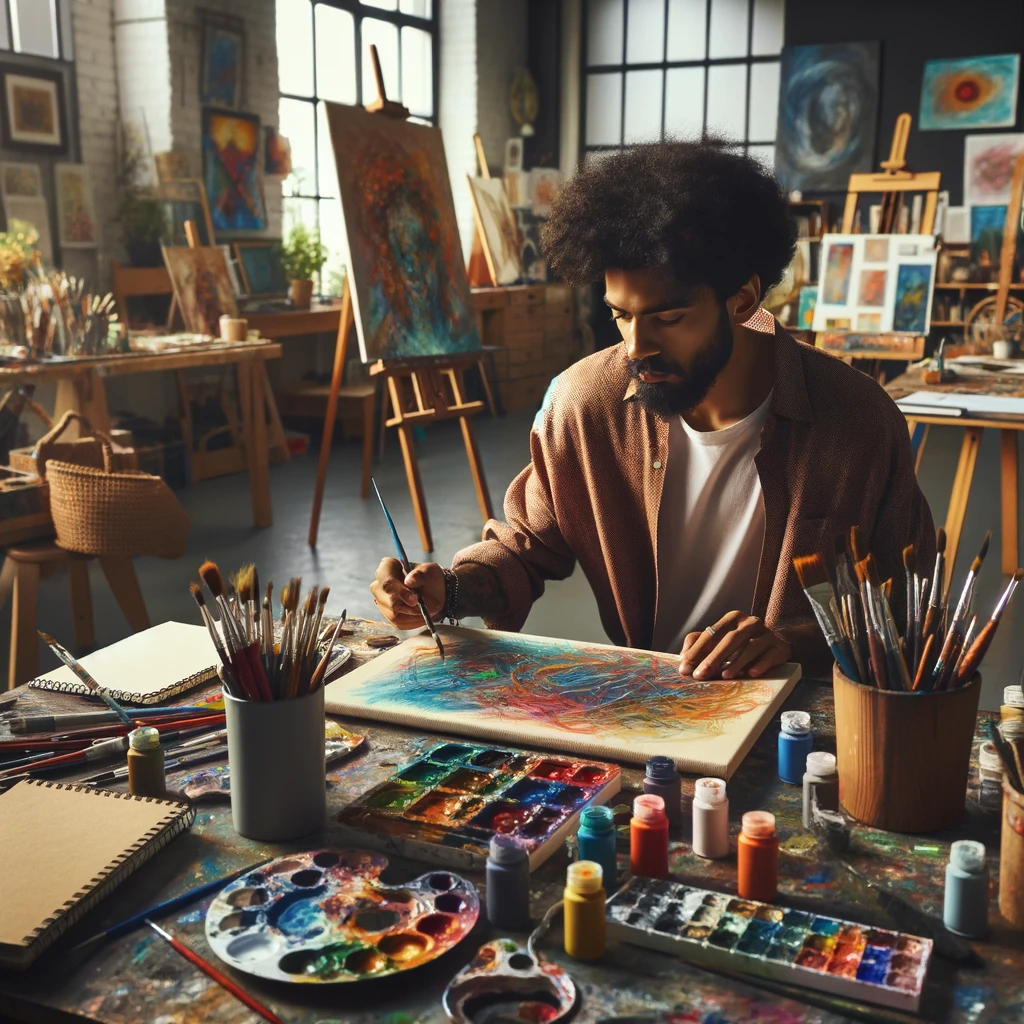
Art in education encompasses the intentional integration of various art forms, including visual arts, music, drama, and dance, into the broader curriculum. This goes beyond simply teaching art techniques; it involves utilising art as a powerful tool to cultivate creativity, critical thinking, and a deeper understanding of the world.
Fostering Engagement and Achievement
Studies consistently reveal a positive correlation between exposure to Art in education and enhanced student engagement. Art in education allows students to connect with learning material on a deeper level, fostering a more active and enjoyable learning experience. This translates into improved academic achievement across various subjects.
Thesis Statement
This article delves into the impact of art education through a data-driven approach. By examining statistical evidence and research findings, we will explore how Art in education integration strengthens academic performance, fosters social-emotional development, and equips students with essential 21st-century skills like critical thinking and problem-solving.
Understanding Art in Education
When talking about Art in education be sure to check out the LearningMole YouTube Channel for some great videos covering arts and crafts!
Beyond Technique: The Core Objectives
While acquiring technical skills in various art forms holds value, Art in education transcends mere instruction in drawing, painting, or playing an instrument. It delves deeper, aiming to:
- Cultivate Creativity and Innovation: Art education fosters a growth mindset, encouraging students to think outside the box, experiment with new ideas, and approach problems creatively. This is crucial in the 21st century, where innovation and the ability to adapt to change are key drivers of progress.
- Develop Critical Thinking Skills: Engaging with art requires analysing elements and techniques, interpreting meaning, and forming independent perspectives. This process hones critical thinking skills, allowing students to analyse information effectively, evaluate arguments, and draw sound conclusions.
- Enhance Problem-Solving Abilities: Art projects often involve open-ended challenges, encouraging students to think critically and develop innovative solutions. This fosters a problem-solving approach that equips them to tackle challenges in various aspects of life.
- Promote Cultural Appreciation: Exposure to diverse art forms from different cultures and historical periods broadens students’ understanding of the world. Art education allows them to appreciate the artistic expressions of various societies, fostering cultural sensitivity and global awareness.
- Strengthen Social-Emotional Learning: Art in education provides a platform for self-expression, allowing students to explore their emotions, develop self-confidence, and build social skills through collaboration on art projects.
The Symphony of Benefits: A Multifaceted Impact
Art in education’s positive influence extends beyond the realm of artistic development. Research highlights its multifaceted benefits:
- Academic Achievement: Studies reveal a link between art integration and improved academic performance. Engaging with art forms can enhance memory, concentration, and visual-spatial reasoning skills, which translate to better performance in other subjects like math, science, and language arts.
- Social-Emotional Development: Art fosters emotional intelligence by allowing students to express themselves creatively, manage their emotions effectively, and connect with others through collaborative projects. This contributes to their overall well-being and mental health.
- Communication Skills: The process of creating and analysing art involves clear communication, both verbal and nonverbal. Students learn to articulate their ideas, interpret the works of others, and effectively convey their messages through artistic expression.
- Lifelong Learning: Art education ignites a passion for lifelong learning by fostering curiosity, exploration, and a desire to continuously seek new knowledge and experiences. This intrinsic motivation lays the foundation for continuous personal and professional growth.
The 21st Century Imperative: Creativity and Innovation
In today’s rapidly evolving world, the ability to think creatively and solve problems effectively is paramount. Art in education equips students with the necessary skills to thrive in this dynamic environment.
- Adaptability: The ever-changing nature of the workforce demands individuals who can adapt to new situations and challenges. Art education fosters a flexible mindset and encourages students to approach problems from diverse perspectives.
- Collaboration: Art projects often involve teamwork, requiring students to communicate effectively, collaborate with peers, and resolve conflicts constructively. These skills are essential for success in various aspects of professional life.
- Digital Literacy: The integration of technology in art education allows students to explore various digital tools and software, equipping them with the skills necessary to navigate the increasingly digital world.
By understanding the multifaceted benefits and the crucial role art education plays in fostering 21st-century skills, we can advocate for its effective integration into the broader curriculum, ensuring all students have the opportunity to unlock their creative potential and become well-rounded individuals.
Impact of Art in Education

While the intrinsic value of artistic expression is undeniable, the positive impact of Art in education extends to academic performance in other subjects. Here’s a closer look at the evidence:
- Enhanced Cognitive Skills: Engaging with art forms stimulates various cognitive functions. Analysing visual elements, interpreting the meaning behind artworks, and creating their pieces strengthens memory, concentration, and critical thinking abilities.
- Data Point: A 2019 study published in Frontiers in Psychology found that students participating in arts-based learning programs demonstrated significant improvement in working memory compared to those in control groups.
- Improved Visual-Spatial Reasoning: Art activities that involve drawing, sculpting, and working with three-dimensional forms enhance students’ ability to visualise objects in space, understand spatial relationships, and solve problems that require spatial reasoning.
- Example: Students might design models of historical landmarks or create scale drawings of scientific experiments, applying visual-spatial skills to enhance their understanding of these subjects.
- Boost in Language Skills: Art education fosters effective communication through various means. Describing artworks, discussing artistic techniques, and interpreting visual messages strengthen students’ vocabulary and communication skills.
- Case Study: The Kennedy Center Arts Integration Program incorporates visual arts into language arts lessons. Students analyse paintings and sculptures, write poems inspired by the artwork, and present their interpretations to the class, enhancing their communication and critical thinking abilities.
Social-Emotional Development: A Canvas for Well-Being
Art in education plays a vital role in nurturing the social and emotional well-being of students:
- Emotional Intelligence: Art provides a safe space for students to express themselves creatively, healthily explore their emotions, and develop self-awareness.
- Project Example: Students might create collages or self-portraits that reflect their emotions and experiences, allowing them to explore their inner world and better understand themselves.
- Social Skills Development: Collaborative art projects necessitate teamwork, communication, and conflict resolution skills. Students learn to cooperate effectively, listen to diverse perspectives, and work together towards a common goal.
- Learning Strategy: Role-playing scenarios through drama activities can help students develop empathy, understand different viewpoints, and practice effective communication skills.
- Mental Health and Stress Reduction: Engaging in artistic activities has been shown to reduce stress, anxiety, and symptoms of depression.
- Research Insight: A 2020 study published in The Arts in Psychotherapy found that art therapy interventions effectively reduced stress and anxiety levels among students.
Critical Thinking Skills: Cultivating Inquisitive Minds
Art in education goes beyond simply appreciating aesthetics; it actively fosters critical thinking:
- Analysis and Interpretation: Engaging with various art forms requires students to analyse the elements and techniques used, interpret the underlying message or symbolism, and form their own perspectives.
- Activity Example: Students might analyse a painting by examining its use of colour, light, and composition, discussing its historical context, and interpreting the message the artist might be trying to convey.
- Problem-Solving with Creativity: Art projects often involve open-ended challenges, encouraging students to think creatively and develop innovative solutions.
- Scenario: Students might be tasked with designing a sculpture using recycled materials, prompting them to think critically about the properties of different materials, employ creative problem-solving techniques, and come up with unique solutions.
- Making Connections Across Disciplines: Art education fosters the ability to connect concepts and ideas from various subjects.
- Lesson Integration: Students might study the scientific principles of light and colour in science class and then apply this knowledge to analyse how artists use light and shadow in their paintings, creating a bridge between science and art education.
By delving deeper into the specific benefits within each category (academic achievement, social-emotional development, and critical thinking skills), we understand the multifaceted impact art education has on the holistic development of students.
Art Integration Models and Approaches

Art integration goes beyond simply adding an art class to the school day. It strategically incorporates artistic processes, concepts, and materials into various subjects, fostering a more engaging and enriching learning experience. Here’s a closer look at prominent models and approaches:
Curriculum Integration: Weaving the Artistic Thread
- Concept: This approach seamlessly embeds art forms within core subjects like math, science, and language arts.
- Implementation:
- Math: Students might create models or patterns using art materials to visualise geometric shapes.
- Science: Scientific concepts like the life cycle of a butterfly can be explored through drawing, creating collages with different stages of the cycle, or even acting out the process through a dramatic performance.
- Language Arts: Students might write poems inspired by historical figures they are studying in history class or analyse the use of figurative language in literature through visual representations.
- Benefits:
- Strengthens connections between different subject areas.
- Makes learning more engaging and enjoyable for students.
- Provides opportunities for students to express their understanding in creative ways.
Arts-Based Learning: Learning Through Artistic Expression
- Concept: This approach utilises various art forms like music, visual arts, drama, and dance as the primary medium for learning.
- Examples:
- Music: Students might learn about historical periods by composing and performing music pieces reflecting the cultural and musical styles of that era.
- Visual Arts: Artworks can be used as a springboard for discussions about historical events, social issues, or literary concepts.
- Drama: Students can gain a deeper understanding of characters and plotlines in literature by acting out scenes from plays or creating their dramatic interpretations.
- Dance: Concepts of physics and motion can be explored through dance choreography, allowing students to understand the principles of force, balance, and movement in a kinesthetic way.
- Benefits:
- Fosters deeper engagement with the learning material.
- Enhances critical thinking and problem-solving skills through creative exploration.
- Provides opportunities for students with diverse learning styles to excel.
Project-Based Learning: A Collaborative Canvas for Learning
- Concept: This approach involves students working collaboratively on art-related projects that require applying knowledge and skills from various disciplines.
- Project Ideas:
- Students might design and create a scale model of a historical landmark, incorporating research on the architecture and historical context and utilising various art materials like cardboard, paint, and recycled objects.
- A science class might culminate in creating a play or musical performance that explains complex scientific concepts engagingly and memorably.
- Benefits:
- Develops interdisciplinary understanding by requiring students to connect knowledge from different subjects.
- Enhances teamwork, communication, and problem-solving skills through collaboration.
- Allows students to showcase their learning in a creative and meaningful way.
Additional Considerations:
- Differentiation: It’s crucial to cater to diverse learning styles and abilities. Providing various options for students to express themselves creatively and offering necessary support ensures all students can participate effectively.
- Technology Integration: Digital tools like graphic design software, online music creation platforms, and educational apps can further enhance the learning experience and allow students to explore their creativity in the digital realm.
By effectively implementing these models and approaches, educators can transform the traditional classroom into a vibrant space where students can learn actively, engage creatively, and develop essential 21st-century skills through the power of art.
Project-Based Learning:
This approach involves students working collaboratively on art-related projects that require applying knowledge and skills from various disciplines.
- Example: Students might design and create a scale model of a historical landmark, incorporating elements of research, engineering, and artistic expression.
Data: A 2017 study published in the Journal of STEM Education analysing project-based learning in art classrooms revealed that students demonstrated increased interdisciplinary understanding, problem-solving abilities, and improved communication skills.
Data Analysis: Academic Outcomes for Art in Education

Longitudinal Studies
Longitudinal studies track student progress over time. Research published in the American Educational Research Journal in 2016 followed students participating in an arts-integrated curriculum for several years. The study found that these students consistently scored higher in standardised tests and demonstrated greater academic achievement compared to the control group.
Meta-Analyses
Meta-analyses combine data from multiple studies to provide a broader perspective. A 2019 meta-analysis published in Review of Educational Research examined the overall effectiveness of art integration programs. The analysis revealed a significant positive impact on students’ academic performance, particularly in language arts, math, and science.
Comparative Studies
These studies compare the academic performance of different groups. A 2020 study in the Journal of Education and Human Development compared the academic achievement of students exposed to an art-integrated curriculum with those in a traditional learning environment. The study found that students in the art-integrated program demonstrated significantly higher scores in reading and math assessments.
Challenges and Opportunities

Access and Equity:
Despite the overwhelming evidence supporting the benefits of Art in education, disparities in access persist.
- Statistical Analysis: A 2021 report by the National Center for Education Statistics revealed that schools in low-income areas are more likely to lack qualified art teachers and essential art supplies compared to schools in wealthier districts.
Teacher Preparation and Training:
Equipping educators with the necessary skills and knowledge to effectively integrate art into their curriculum is crucial.
- Insights: Studies suggest that many teachers lack the confidence and training required to implement art integration effectively.
Policy and Advocacy:
Increased policy support and advocacy efforts are essential to ensure equitable access to quality art education for all students.
- Data: Research by the Americans for the Arts organisation indicates that a significant correlation exists between strong arts education policies and improved student outcomes.
Success Stories and Best Practices

Case Studies:
- Example 1: The Harmony Project in Los Angeles implements an after-school program that utilises orchestral music training to foster social and emotional development in underprivileged youth.
- Example 2: The Kenai Peninsula School District in Alaska integrates visual arts and technology into their science curriculum, allowing students to create multimedia presentations to showcase their scientific understanding.
Statistical Analysis of Effective Strategies
A 2018 study published in the Journal of Art Education analysed data from various successful art education integration programs. The study identified key factors contributing to their effectiveness:
- Strong professional development for teachers in arts integration.
- Collaborative partnerships between arts organisations and schools.
- Curriculum alignment with state and national learning standards.
Lessons Learned and Recommendations:
- Designing inclusive programs: Catering to diverse learning styles and abilities through differentiated instruction and providing necessary support for students with special needs.
- Fostering a creative learning environment: Encouraging student exploration, experimentation, and risk-taking in artistic endeavours.
- Building community partnerships: Collaborating with arts organisations, museums, and local artists to enrich the learning experience.
Future Directions and Recommendations for Art in Education

Data-Driven Recommendations:
- Policymakers: Allocate funding to support professional development programs for teachers in art integration and prioritise equitable access to art education resources across all schools.
- Educators: Continuously seek opportunities to enhance their skills in integrating art forms into their curriculum and participate in professional development workshops.
- Stakeholders: Advocate for increased awareness about the importance of art education and support initiatives that promote arts integration in schools.
Collaboration and Partnerships
Building strong partnerships between educators, artists, cultural institutions, and the private sector is crucial for:
- Developing innovative arts education programs.
- Providing students with access to professional artists and mentors.
- Securing funding and resources to support art education initiatives.
Call to Action for Art in Education
Investing in Art in education is an investment in the future. By prioritising art integration in schools and fostering a culture of creativity, we can:
- Empower students: Equip them with the critical thinking, problem-solving, and communication skills necessary to thrive in the 21st century.
- Nurture well-rounded individuals: Art education fosters intellectual development, emotional intelligence, cultural awareness, and the ability to express oneself creatively.
- Spark innovation: By encouraging students to think outside the box and approach challenges from diverse perspectives, we cultivate a generation of creative thinkers and innovators who can address our world’s complex issues.
Conclusions on Art in Education

Key Trends and Insights
Data overwhelmingly supports the transformative power of art education. Studies consistently demonstrate a positive correlation between art integration and improved academic achievement, social-emotional development, and critical thinking skills.
Call to Action
Addressing the challenges of access and equity requires a collective effort. Stakeholders, including policymakers, educators, parents, and community members, must work together to advocate for robust arts education programs in all schools.
Final Thoughts
Art in education is not merely a decorative element in the curriculum; it is a fundamental pillar of a holistic education. By nurturing creativity, fostering innovation, and equipping students with the skills to navigate an ever-changing world, we empower them to become well-rounded individuals and future leaders who can contribute meaningfully to society.
If you have enjoyed this blog post about Art in Education, check out some of our other insightful articles at LearningMole! If you are interested in educational content further, check out our post about educational statistics!
<p>The post Art in Education: A Creative Approach Backed by Data first appeared on LearningMole.</p>