Table of Contents
In the quiet hours of the night, when the modern convenience of indoor plumbing is taken for granted, it’s easy to overlook the historical significance of one of humanity’s most intimate companions: the chamber pot. This seemingly mundane object served as a critical tool for nocturnal sanitation needs before the advent of sewers and flushing toilets. The chamber pot, with its rich history and varied uses, offers a fascinating glimpse into the daily lives, customs, and technological advancements of past societies.
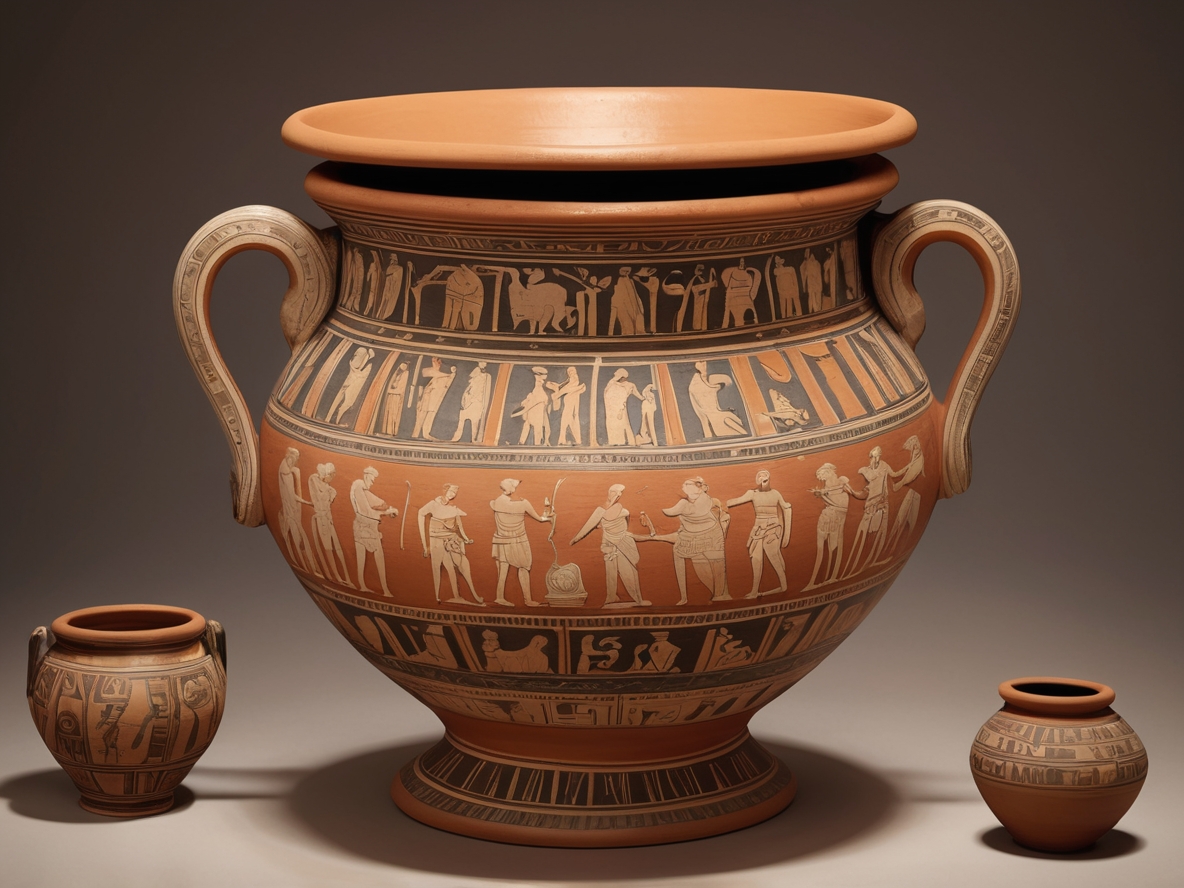
The Chamber Pot’s journey through history is not merely a tale of evolving sanitation practices but a narrative deeply intertwined with the fabric of human culture and societal development. Its presence across continents and eras speaks to humanity’s shared challenges and solutions in the quest for cleanliness and comfort. As we delve into the past, the chamber pot emerges as a utility and a cultural artefact, revealing the intimate details of daily life that are often overlooked in grand historical narratives.
Interestingly, the chamber pot’s story also reflects technological innovations and shifts in social norms over centuries. Its adaptation from simple earthenware in ancient times to ornate porcelain in later periods illustrates progress in material science and craftsmanship. Moreover, the chamber pot’s evolution from a common household item to a relic of the past highlights the impact of industrialisation and modern plumbing on human civilisation. This transition marks a significant leap in public health achievements, transforming the way societies manage sanitation and hygiene.
Furthermore, the chamber pot’s history offers insight into the private lives of our ancestors, providing a lens through which we can explore the complexities of privacy, convenience, and hygiene before the modern era. The ways in which different cultures approached its use and design reflect broader attitudes towards personal care and public health management. As we explore the history and uses of the chamber pot, we uncover not only the technological advancements that led to its decline but also the enduring human need for practical solutions to life’s most basic problems.
The Origins of the Chamber Pot

Ancient Beginnings
The chamber pot’s history traces back to the earliest human civilisations, where the universal need for sanitation led to the development of various solutions for waste disposal. Archaeological findings show that ancient Egyptians, Mesopotamians, Greeks, and Romans all had their versions of the chamber pot. These early chamber pots were primarily made from materials like clay, ceramic, and bronze, reflecting the natural resources available to each civilisation.
Materials and Designs of the First Chamber Pots
The materials and designs of the first chamber pots varied significantly across ancient cultures. In ancient Egypt, chamber pots were often made of limestone or clay, designed to be functional yet easy to clean. The Greeks preferred ceramic pots, sometimes elaborately decorated with paintings that depicted daily life or mythological scenes. Romans advanced the design further by incorporating metals like bronze, which offered durability and a certain aesthetic appeal.
Cultural and Practical Significance
Chamber pots played a crucial role in ancient societies’ daily routines, serving both practical and cultural functions. Practically, they provided a solution to the problem of nocturnal waste disposal, a necessity in densely populated urban areas without modern plumbing. Culturally, they were integrated into the social fabric, with their design and use reflecting societal values and norms. For instance, the decorative aspects of Greek chamber pots reveal a culture that valued beauty and art even in the most mundane objects.
Across Civilisations: A Comparative Look
Different ancient societies utilised chamber pots in ways that mirrored their environmental conditions, technological advancements, and cultural practices. While the basic function of the chamber pot remained constant, its design, material, and place within the home varied. In colder climates, for example, chamber pots might be found in more insulated parts of the house to prevent freezing, reflecting a pragmatic approach to design influenced by environmental conditions.
Variations in Use and Design
The use and design of chamber pots also varied according to geographical and cultural differences. In some cultures, chamber pots were more openly used and discussed, while in others, they were considered more private and were seldom seen by non-family members. This variance underscores the influence of cultural norms on the perception and use of everyday objects.
Evolution Through the Ages

From Medieval to Renaissance
The design of these pots saw significant transformation from the Middle Ages through the Renaissance. In medieval Europe, chamber pots were often simple and made from readily available materials like wood or metal. However, by the Renaissance, this pot became a canvas for artistic expression, with finer materials like porcelain becoming more common. This period also saw an increase in the pot’s decorative elements, reflecting a society increasingly interested in aesthetics and personal luxury.
Influence of Social Hierarchy
The materials and decoration of these pots were heavily influenced by social hierarchy. For the nobility, chamber pots could be made of or lined with precious metals and adorned with intricate designs, symbols of wealth and status. In contrast, the lower classes used more utilitarian pots, which were functional but lacked ornamentation.
The Industrial Revolution’s Impact
The Industrial Revolution dramatically changed this pot’s accessibility and variety. Mass production techniques made them cheaper and more accessible to the wider public. This period also saw the introduction of new materials, such as porcelain and later plastics, which were easier to clean and more hygienic.
Design and Material Innovations
Throughout the ages, chamber pot designs and materials continued to evolve. The Victorian era, for example, saw a surge in the production of decorative pots with intricate patterns and even personalised designs. The introduction of new materials like enamelled iron and, eventually, plastics in the 20th century reflected ongoing technological advancements, making them more durable, hygienic, and affordable.
The evolution of this pot is a testament to humanity’s ingenuity in addressing the universal need for sanitation. From its ancient beginnings to its role in the Industrial Revolution, this pot adapted to changing technological capacities and aesthetic values and mirrored the social structures of the times.
Cultural Significance

Depictions in Historical Literature and Art
Chamber pots have made numerous appearances in literature and art throughout history, often serving as reflections of the times in which they were created. In literature, they’ve been used to add realism to domestic settings, evoke humour, or underscore the humanness of characters.
Shakespearean plays, for example, occasionally reference these pots, grounding the lofty themes of love, tragedy, and comedy in the everyday. In art, particularly in genres focusing on domestic or genre scenes, chamber pots can be spotted in the backgrounds, subtly hinting at the lived reality of the subjects.
A Mundane and Symbolic Object
Beyond their practical depiction, these pots also assume symbolic roles in cultural expressions. They can symbolise humility or vulnerability, reminding viewers or readers of the basic, shared needs that cut across human differences. In some satirical works, they serve as instruments of humour or mockery, critiquing societal norms or individuals.
Symbolism and Taboos
Symbolic Meanings Across Cultures
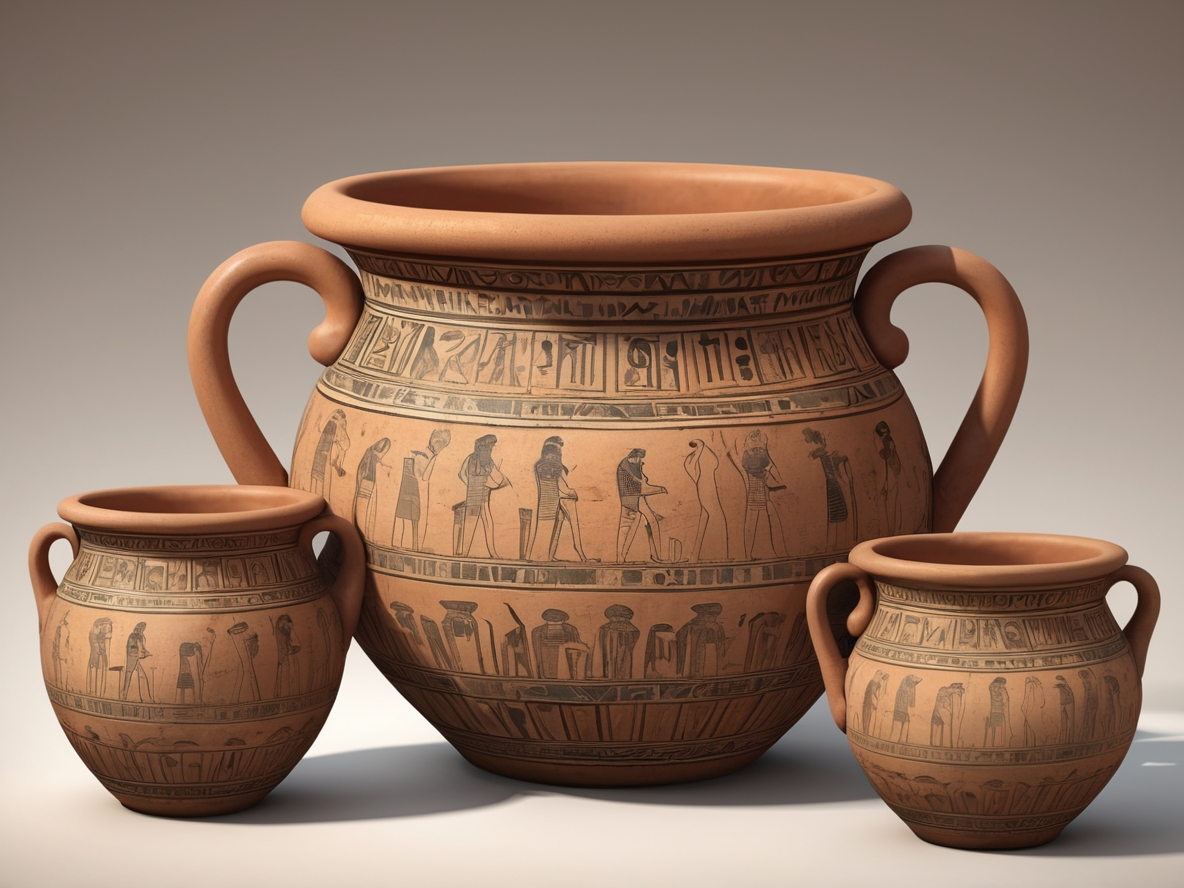
The chamber pot carries varied symbolic meanings across different cultures, often tied to notions of privacy, cleanliness, and the mundane aspects of daily life. In some cultures, it symbolises the intimate parts of life that are usually kept hidden, while in others, it might represent the care and maintenance of the body, reflecting broader themes of health and purity.
Taboos and Etiquette
Taboos and etiquette surrounding chamber pot use reveal much about societal attitudes towards privacy and cleanliness. The handling, cleaning, and even the mere mention of these pots were often subject to strict social rules, reflecting deeper cultural values related to bodily functions and cleanliness. The ways these items were discussed—or, more often, not discussed—highlight the tension between natural human needs and the social codes governing polite society.
The Chamber Pot in Social Hierarchies

Role in Delineating Social Status
Chamber pots also delineated social status. For royalty and the upper echelons of society, these pots could be made of fine materials like porcelain or silver, sometimes even adorned with artwork. In contrast, the common people’s pots were typically made from more basic materials, such as earthenware or tin, which were functional but devoid of luxury.
Indicators of Wealth and Status
Chamber pots’ material, design, and craftsmanship served as indicators of wealth and status. Owning a finely made was a luxury, signifying wealth and a certain level of refinement and adherence to societal norms regarding personal hygiene and domestic life.
Uses and Practices

Nightly Necessities
The chamber pot’s primary use was as a convenience during the night. Its placement within the home, often under beds or in discreet cabinets, was a matter of practicality but also reflected the household’s dynamics and the individuals’ needs. Its presence in bedrooms reduced the need to venture outside in the dark to outhouses or communal lavatories.
Hygiene and Maintenance
Chamber pot maintenance was crucial for household hygiene. Regular cleaning and proper handling were essential to prevent odours and maintain cleanliness. The evolution of sanitation knowledge influenced how these pots were managed, reflecting broader changes in attitudes toward health and hygiene.
The Chamber Pot in Households Without Plumbing

Continued Importance
In areas lacking modern sanitation infrastructure, this pot retained its importance well into the era of indoor plumbing. Its continued use highlights the disparities in access to sanitation facilities, echoing broader issues of social inequality and public health.
Urban vs. Rural Use
The use of chamber pots varied between urban and rural settings, influenced by plumbing availability and the proximity of communal sanitation facilities. In rural areas, where homes were more likely to be detached and have space for outdoor privies, the chamber pot might have been less essential than in crowded urban dwellings. However, its presence in both settings underscores its universal role in addressing the basic human need for sanitation.
The Decline of the Chamber Pot

The Rise of Indoor Plumbing
The advent of indoor plumbing marked a pivotal moment in the history of sanitation, dramatically altering daily routines and public health landscapes. This revolution began in the 19th century, as technological advancements made it possible to bring water into homes and remove waste via sewers. The availability of running water and the development of flush toilets gradually made the chamber pot obsolete, changing the way people approached personal hygiene and sanitation.
Societal and Health Implications
The transition to modern plumbing systems had profound societal and health implications. For the first time, people could enjoy the convenience and hygiene of indoor facilities, significantly reducing the spread of diseases associated with poor sanitation. The move away from chamber pots and outdoor privies to water closets and sewers marked a major leap forward in public health, contributing to a decline in mortality rates from infectious diseases.
As indoor plumbing became more widespread, it also reflected and reinforced social changes, including increased concern for privacy and personal space. The bathroom emerged as a private sanctuary, a concept that was virtually unknown in the era of chamber pots. This shift not only improved physical health but also promoted psychological well-being by enhancing comfort and dignity.
Transition to Modern Toilets

Development of Early Toilets and Bathrooms
The development of early toilets and bathrooms can be traced back to inventors like John Harington and Alexander Cumming, but it was Thomas Crapper’s improvements in the late 19th century that popularised the flush toilet. These advancements allowed for the efficient disposal of waste, drastically reducing the reliance on chamber pots. As bathrooms became integral parts of residential architecture, the chamber pot’s role diminished, confined to occasions of illness or as a temporary solution in homes not yet connected to sewer systems.
Public Health Campaigns and Urban Planning
Public health campaigns and urban planning efforts further propelled the widespread adoption of indoor plumbing. Governments and health organisations recognise the importance of sanitation in preventing disease outbreaks and improving the quality of life. Urban planning initiatives incorporated sewer systems and plumbing infrastructure as essential components of city development, ensuring that communities had access to clean water and efficient waste disposal.
The Chamber Pot as a Historical Artifact

From Necessity to Collectible
With the universal adoption of indoor plumbing, the chamber pot transitioned from a daily essential to a historical artefact. Today, antique chamber pots are sought after by collectors and historians, valued for their historical significance and the insight they provide into past lifestyles. They are cherished not only for their aesthetic qualities but also for their stories and the technological evolution they represent.
Role in Historical Research and Education
Chamber pots play a crucial role in historical research and education, offering tangible links to the past. They are featured in museum exhibits and academic studies that explore the history of domestic life, sanitation, and technology. By examining chamber pots, researchers and students can gain insights into different periods’ social norms, material culture, and technological advancements.
The story of the chamber pot, from a ubiquitous household item to a relic of the past, encapsulates the journey of human progress in sanitation. It reminds us of the importance of innovation in improving living conditions and public health, serving as a testament to the impact of plumbing technology on society.
The Chamber Pot Today

Collectors and Museums
Antique chamber pots, once ubiquitous household items, have now found a new lease on life as coveted collectables and museum exhibits. Collectors and historians alike are drawn to these artefacts for their unique ability to offer insights into the daily lives, customs, and technological advancements of past societies. The fascination with these pots extends beyond their practical use, delving into the artistry, craftsmanship, and social significance of these items throughout history.
Museums worldwide curate and display these pots as part of their collections, highlighting the evolution of domestic life and sanitation practices. These exhibits often feature chamber pots made from various materials, including porcelain, metal, and ceramic, each telling its own story of the era and culture from which it originated. By preserving these objects, museums provide a tangible link to the past, allowing visitors to appreciate the complexities and challenges of life before modern conveniences.
Educational Value
In educational settings, chamber pots serve as powerful teaching tools, offering students a glimpse into historical living conditions and sanitation practices. Through the study of chamber pots, learners can explore topics such as social hierarchy, public health, and technological innovation, making connections between past and present. This hands-on approach to history helps to engage students, fostering a deeper understanding of how advancements in sanitation have shaped human civilisation.
Interactive exhibits and reenactments featuring chamber pots further enrich the educational experience. These activities allow participants to immerse themselves in historical scenarios, experiencing firsthand the challenges of daily life without modern plumbing. By engaging with the past in this way, students and museum-goers gain a greater appreciation for the advancements that have led to the sanitary conditions we often take for granted today.
The Legacy of Chamber Pots in Modern Sanitation
Reflecting on the history of the chamber pot provides valuable insights into current sanitation challenges and solutions. The chamber pot’s evolution from a basic necessity to an obsolete relic mirrors the broader progress of public health measures and sanitation technology. This journey highlights the importance of innovation and adaptation in meeting the basic needs of society.
The chamber pot’s legacy is particularly relevant in discussions about global sanitation challenges. Today, billions of people around the world still lack access to safe, clean toilets—a reminder of the ongoing struggle for public health and dignity. By examining the past, we can better understand the complexities of providing universal access to sanitation, drawing lessons from history to inform future initiatives.
In conclusion, this pot, though no longer in common use, continues to serve as a symbol of human ingenuity and the relentless pursuit of improving living conditions. Its story, from a humble household item to a subject of historical and educational interest, underscores the significance of sanitation in the development of healthy, sustainable societies. Through the preservation and study of chamber pots, we are reminded of the critical role that basic sanitation plays in the well-being of communities and the progress of public health measures.
Conclusion

The chamber pot, a humble vessel for nocturnal needs, serves as a reminder of the universality of human experience across time and cultures. Its evolution mirrors broader changes in technology, social customs, and attitudes towards sanitation and personal hygiene. As we continue to advance, the chamber pot stands as a testament to the ingenuity and adaptability of humanity in meeting one of its most basic needs.
FAQs
1. What is a chamber pot, and when was it used?
A chamber pot, an antique toilet, was used in the past as a bedroom toilet for men, women and kids to meet their nighttime toilet needs.
2. How was the chamber pot used at night?
The chamber pot acted as a nocturnal toilet or bedside urinal. It met nocturnal needs by being placed under the bed or chair for easy access during the night.
3. Who used the chamber pot?
In history, both men and women used it alike. Even kids were taught to use this potty near their bedtime.
4. Was the bucket toilet similar to a chamber pot?
Yes, both served as portable toilets but typically the bucket toilet had larger capacity than its counterpart -the classy bedchamber tool-if you will.
5. Was hygiene considered with such pots back then?
Indeed! The Chamber Pot though rudimentary had its place in early sanitation efforts serving not just purposeful need but also paved way for evolved cleanliness norms we see today around toilets.
<p>The post Chamber Pot: The History of a Portable Toilet for Nocturnal Needs first appeared on LearningMole.</p>





