Table of Contents
The way you learn can significantly affect the atmosphere and effectiveness of classroom dynamics. Each person has a preferred method of learning, whether it’s visual, auditory, or kinesthetic, and when these diverse styles converge in an educational environment, they create a dynamic and complex mosaic of learning needs. When teachers understand and accommodate these preferences, the outcome can be a more harmonious and successful learning environment.
As Michelle Connolly—founder of LearningMole and an educational consultant with a wealth of classroom experience—observes, “Recognising and catering to different learning styles within the classroom can transform passive education into an active adventure for students.”
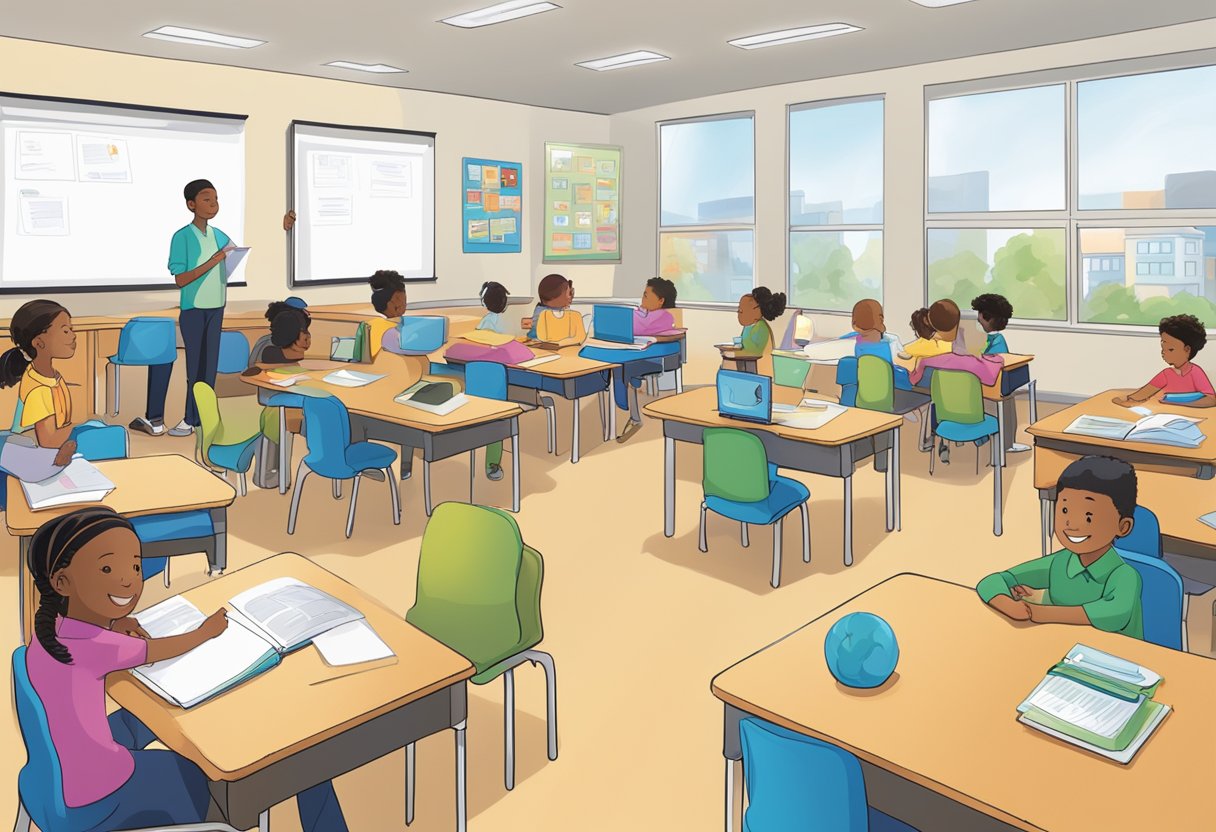
Creating a student-centred learning environment, one that incorporates a variety of curriculum materials and leverages technology, can cater to these various learning styles. Emphasising the diversity of students’ needs through tailored teaching methods doesn’t just accommodate individual learning styles; it also fosters a more inclusive and engaging classroom.
This can lead to better academic achievement and a more positive group dynamic, where every student feels valued and understood. In Connolly’s own words: “Education should be as diverse as the students it serves, and when we tailor our teaching to align with their learning styles, we unlock a world of potential.”
Understanding Learning Styles
When you approach the topic of learning styles, it’s about recognising the diverse ways individuals perceive and process information. Each person has a unique cognitive process that defines how they best absorb, understand, and retain knowledge.
The VARK Model
One well-known categorisation of these preferences is the VARK model, comprising:
- Visual: Preferring to use images and spatial understanding.
- Auditory: Learning through listening and speaking.
- Reading/Writing: Opting for written words.
- Kinesthetic: Favouring physical experience and movement.
Understanding these styles can be a key to success in both educational and professional environments, as it influences how you engage with content.
Perception and Processing
Every learning style relies on different perception channels and information processing methods. Visual learners, for example, may grasp a concept quickly through a chart or diagram, while auditory learners might benefit more from a lecture or discussion.
Michelle Connolly, a prominent educational consultant with over 16 years in the classroom, affirms, “Recognising your learning style equips you with the strategies to tackle content in a way that’s most natural for you, promoting better retention and engagement.”
Learning styles not only assist in personalising education but also enhance classroom dynamics. Knowing whether you’re a visual, auditory, reading/writing, or kinesthetic learner helps teachers create a diverse and inclusive learning environment that caters to all pupils. By harnessing the knowledge of learning styles, you can adapt your study habits to align with your innate preferences, ultimately enhancing your educational journey and academic success.
The Role of Teachers in Classroom Dynamics
Teachers play a pivotal role in shaping classroom dynamics, which directly affect students’ academic success. Effective educators use a variety of teaching strategies, provide clear feedback, and actively promote student engagement to create a positive and productive learning environment.
Adapting Teaching Strategies
Your ability to adapt teaching strategies to students’ diverse needs is essential. For instance, a study on the learning styles of gifted middle school students underscores the necessity of aligning instructional methods with student preferences to optimise performance levels. By doing so, you can cater to various learning styles, which enhances understanding and retention of the material.
- Experiment with Different Formats: Incorporate multimedia, group activities, and individual tasks to address the range of learning styles.
- Personalise Instruction: Tailor lessons to individual student interests and abilities, facilitating a more engaging and effective learning experience.
Providing Clear Feedback
As Michelle Connolly, founder of LearningMole and an educational consultant with 16 years of classroom experience, puts it, “Constructive feedback bridges the gap between what is understood and what is aimed to be achieved.” Keep your feedback precise and actionable:
- Highlight Strengths and Areas for Improvement: Be specific about what a student has done well and what could be enhanced.
- Offer Steps for Progression: Suggest clear, feasible actions for students to improve their work or understanding.
Promoting Student Engagement
Engagement is the lifeblood of dynamic and successful learning. Techniques to influence positive group dynamics can transform the classroom atmosphere, encouraging participation and fostering a sense of community among students.
- Encourage Collaborative Learning: Enable students to work together on tasks, facilitating peer-to-peer learning and enhancing social skills.
- Interactive Learning Environments: Through interactive lessons and the use of technology, create opportunities for students to be actively involved in their own learning.
Student-Centred Learning Environment

As you embrace the shift toward student-centred learning environments, consider how inclusivity and accessibility shape the educational experience. These factors are critical to ensuring that each student can thrive within the educational space.
Fostering Inclusivity
Inclusion in a student-centred learning environment goes beyond simply allowing all students to be present. It involves actively recognising and valuing the diverse backgrounds, abilities, and learning preferences of each student. By embracing various educational strategies, teachers can ensure lessons resonate with all individuals, thus creating a more dynamic and harmonious classroom. Michelle Connolly, an expert with 16 years of classroom experience, advises, “Engage students in ways that reflect their own experiences and allow their unique perspectives to enrich the learning for everyone.”
Creating Accessible Content
Accessibility is another foundational stone of a student-centred learning environment. Content must be reachable and understandable for all students, including those with special educational needs (SEN). Use clear language and support materials like subtitles, alternative texts for images, or sign language interpreters.
Your goal is to make learning resources as digestible and approachable as possible, catering to various learning styles and needs, thus ensuring no student is left behind. Michelle Connolly puts it succinctly: “Accessible content isn’t a convenience; it’s a necessity to empower all students to achieve their potential.”
Curriculum and Learning Materials
Your choice of curriculum and learning materials can significantly shape the educational experience, catering to different learning outcomes and preferences. Ensuring that these resources align with your students’ learning styles can enhance engagement and information retention.
Incorporating Various Information Sources
In your quest for an enriched learning environment, consider diverse information sources. This includes textbooks, digital platforms, scientific journals, and creative arts. It’s crucial to integrate varied materials that span from theoretical explanations to practical demonstrations. For instance, resources like LearningMole enable you to employ interactive tutorials and activity sheets that make complex subjects more accessible. Remember, offering an array of sources caters to auditory, visual, and kinaesthetic learners alike.
Aligning Materials with Student Preferences
To optimise learning outcomes, it’s beneficial to align materials with your students’ individual learning preferences. “In a classroom full of diverse learners, it’s essential to provide materials that speak to all preferences,” says Michelle Connolly, an educational consultant with extensive classroom experience.
Use bold visuals for those who have a visual preference, clear and concise texts for readers, and interactive materials for those who learn best by doing. This personalisation creates a dynamic classroom environment where all students feel supported and engaged.
Leveraging Technology for Learning
In today’s education landscape, integrating Information and Communication Technology (ICT) tools and blended learning approaches is vital for enhancing learning outcomes and classroom dynamics.
ICT Tools in Education
Information and Communication Technology (ICT) transforms traditional classrooms into dynamic learning environments. By introducing ICT tools such as interactive whiteboards, educational software, and virtual laboratories, you can encourage student engagement and facilitate a more individualised learning experience. These tools not only make learning more accessible but also aid educators in tracking student progress with greater ease.
The Effectiveness of Blended Learning
Blended learning, a mix of traditional face-to-face instruction with online digital media, has been shown to support diverse learning styles effectively. This approach allows you the flexibility to control the pace of your learning and access resources beyond what is available in the classroom. Michelle Connolly states, “With blended learning, students can blend the best of both worlds – the personal interaction from teachers and the extensive content that technology brings.”
Students involved in blended learning models have reflected higher engagement and improved grades, as the method caters to various learning preferences and paces. By leveraging both in-person instruction and digital content, the classroom becomes an environment where technology enhances the learning experience, leading to better educational outcomes.
Classroom Dynamics and Group Work
Harmonious interaction between students during group work can profoundly influence learning outcomes and engagement levels in any classroom.
Impact of Diversity on Learning
Diversity in the classroom encompasses a spectrum of learning styles, cultural backgrounds, and intellectual strengths. When harnessing this diversity effectively, it can lead to richer group discussions, varied problem-solving approaches, and greater task innovation. “The variety within a group often mirrors the real-world scenarios, preparing students for future collaborative environments,” says Michelle Connolly, an educational consultant with extensive classroom experience.
Collaborative Learning and Peer Interaction
Collaborative learning is the cornerstone of effective group work. Through peer interaction, students are given the platform to express their ideas, challenge each other’s thinking, and offer support. This collaboration encourages active engagement and a sense of community within the classroom. By working together, students often find that they are more motivated and retain information better.
As Michelle Connolly puts it, “Effective collaboration in the classroom sets the stage for students to become responsible and dynamic contributors in group settings throughout their lives.”
Assessment and Student Performance
When considering the impact on students, assessment and performance are intricately linked, revealing much about teaching effectiveness and the student’s grasp of the material.
Objective Evaluations
Objective evaluations, such as standardised tests, are crucial in gauging student performance. These tests aim to measure knowledge and skills consistently, providing feedback that is essential for both students and educators. As Michelle Connolly, the founder of LearningMole and an educational consultant, puts it, “Objective assessments are a snapshot of student understanding that, when used effectively, can significantly guide our teaching methods.”
Correlation with Learning Styles
The interplay between different learning styles and assessment outcomes can’t be overstated. Recognising how a student’s preferred way of learning—be it visual, auditory, kinesthetic, or a combination—aligns with assessment approaches can enhance student satisfaction and overall performance. Embracing this diversity in learning styles means educators should adapt their evaluations and feedback to meet the needs of each student. As Connolly emphasises, “Every child’s learning journey is unique, and our assessment methods should reflect that individuality to truly foster success.”
Emotional Factors Affecting Learning
In this section, we explore how emotional factors such as anxiety and motivation directly impact learning outcomes and academic success.
Anxiety and Academic Performance
Experiencing anxiety can significantly hinder your academic performance. It manifests as increased worry, tension, and fear, which can disrupt your concentration and memory. For example, when you’re anxious, your mind might become less efficient at processing information during lessons or exams. Studies suggest a clear link between high levels of anxiety and lower academic achievement. To address this, creating a supportive classroom environment can help mitigate the negative impact of anxiety on learning.
Motivation and Cognitive Engagement
Your motivation is the driving force behind your engagement with learning materials and activities. When you are motivated, you’re more likely to employ deep cognitive strategies that enhance learning and retention, leading to better academic success.
Michelle Connolly, founder of LearningMole, emphasises that “activating students’ intrinsic motivation can transform their educational experience, leading to a more robust and meaningful engagement in the classroom.” As a teacher or learning facilitator, it is crucial to understand individual learners’ interests and needs to tailor your approach, thus fostering a sense of ownership and relevance in their learning journey.
Educational Policies and Training

In this section, you’ll gain insights into how teacher training and institutional policies shape the educational experience, directly influencing classroom dynamics and success.
Teacher Training and Development
Your professional development as an educator is imperative. Frequent training helps you to understand diverse learning styles and apply them effectively in your teaching. Michelle Connolly, LearningMole’s founder and an educational consultant with vast classroom experience, emphasises the need for continuous learning, stating, “It’s essential for teachers to stay updated with pedagogical approaches that cater to various learning preferences to enhance student engagement and success.”
- Training programmes may include:
- Workshops on innovative teaching methods
- Seminars on integrating technology into the classroom
- Courses on special educational needs (SEN) to foster inclusivity
Institutional Policies on Classroom Practices
School policies serve as the backbone for educational establishments, stipulating the expectations for teaching and learning. Pedagogical approaches are shaped by these policies, ensuring a structured environment where teaching strategies are aligned with the school’s educational philosophy.
- Typical policies may cover:
- Classroom management techniques
- Application of learning styles in lesson planning
- Assessment methods that align with the institution’s goals
Cultural and Gender Influences on Learning

In the classroom, understanding the cultural contexts and gender dynamics students bring with them can transform the teaching and learning experience. Recognising and addressing these facets fosters an inclusive environment that can lead to greater success for all.
Cultural Perspectives in Education
Education is not a one-size-fits-all system; cultural backgrounds significantly shape how students learn and interact. Differences in cultural perceptions can influence classroom behaviour and the approach to learning. For instance, some cultures may view collaboration and group learning as vital, while others might emphasise individual achievement.
Michelle Connolly, an educational consultant, notes, “In culturally diverse classrooms, it’s essential to integrate an array of educational practices that resonate with different cultural expectations.” In doing so, you’ll move towards more inclusive education that values and incorporates the range of cultural differences among students.
Addressing Gender Bias
Understanding and combating gender bias within the educational sphere is crucial. Gender can affect students’ perception of their abilities and the subjects they ‘should’ be interested in, often due to societal stereotypes. Studies have shown that such biases can negatively impact classroom dynamics and student outcomes.
Creating gender-inclusive spaces means actively working to eliminate prejudices and ensuring equal opportunities for all students. It involves employing a variety of teaching methods to cater to different needs and being mindful of the language and materials used in the classroom. Michelle Connolly believes, “True educational success hinges on our ability to provide an environment free of gender bias, where every student can flourish regardless of gender.”
Global Perspectives

In a world where education spans diverse cultures and methodologies, understanding how learning styles influence classroom dynamics is essential for fostering academic success. As you travel from the classrooms of the United States to the educational settings in Peru, you’ll discover that each has unique teaching practices reflective of their cultural norms and educational philosophy.
Teaching Practices in the United States
In the United States, schools employ a variety of pedagogical practices tailored to cater to different learning styles. For instance, you might find a focus on collaborative learning where students engage in group activities that promote communication skills. “It’s about creating a dynamic learning environment where each student can thrive,” explains Michelle Connolly, an educational consultant with over 16 years of classroom experience.
- Differentiated Instruction:
- Tailors teaching to meet individual needs.
- Utilises technology to enhance learning.
Educational Approaches in Peru
Peruvian schools, on the other hand, have traditionally placed a strong emphasis on rote learning and a more formal, teacher-centred approach. However, there is a growing shift towards incorporating global education perspectives which value student interaction and practical applications of knowledge. Connolly notes that in Peru, “There’s a burgeoning recognition of the need for educational models that embrace global competencies.”
- Formal Education:
- Stresses on memorisation and examination.
- Teacher as the primary source of knowledge.
Both regions demonstrate a commitment to evolving their educational strategies to better serve their students in a changing global landscape. Whether it’s embracing new technologies in the United States or recognising the value of global education competencies in Peru, these shifts are a testament to the dynamic nature of learning and the universal pursuit of academic success.
FAQs
Exploring how learning styles impact classroom dynamics and success can lead to a more effective and engaging educational experience. Here’s what you need to know.
What impact do different learning styles have on student engagement and achievement?
Different learning styles influence how students engage with material and their overall achievement levels. A visual learner, for instance, may thrive when presented with diagrams and spatial arrangements, while an auditory learner might excel in discussions or lectures. Recognising these differences can lead to more tailored teaching strategies that resonate with each learner.
Can you describe the relationship between learning styles and teaching effectiveness in the educational setting?
Learning styles and teaching effectiveness are closely interconnected. “Teachers need to be flexible in their approaches to cater to various learning styles,” says Michelle Connolly, an educational consultant with extensive classroom experience. Effective teaching recognises and incorporates multiple learning styles, which can lead to better comprehension and a more inclusive classroom.
In what ways can understanding students’ learning styles improve academic performance?
Understanding students’ learning styles can be instrumental in boosting their academic performance. When instructional methods align with a student’s preferred style, it can enhance their understanding, retention, and application of the subject matter, thereby improving their academic outcomes.
Why is it crucial to accommodate various learning styles within a classroom environment?
Accommodating various learning styles within a classroom is crucial because it fosters an environment where all students can learn effectively. “Every student deserves the opportunity to succeed, and understanding their learning style is a step towards this success,” Michelle Connolly, with her 16 years of classroom expertise, asserts. It helps minimise barriers to learning, ensuring that each child’s educational needs are met.
How do teachers’ awareness and integration of learning styles contribute to student success?
Teachers’ awareness of learning styles can significantly contribute to student success by allowing them to tailor their teaching methods. By integrating a mix of visual, auditory, kinaesthetic, and reading/writing strategies into their lessons, educators can engage students more effectively and support their learning journey.
What strategies can be used to address diverse learning styles and enhance learning outcomes for all students?
Strategies to address diverse learning styles include using multimedia resources, group work, hands-on activities, and personalised feedback. By offering a variety of instructional methods, teachers can ensure that all learning styles are addressed, thereby enhancing learning outcomes for every student.
<p>The post How Learning Styles Shape Classroom Dynamics and Academic Achievement first appeared on LearningMole.</p>





